What the research says
Bacteria were found in 79.57% of 93 used mascaras
That's what a British study found when it tested mascara people had already been using. We gathered studies like this from four countries. Here we walk through what was found in the tubes, what it can mean for your eyes, and which habits eye doctors and the U.S. regulator recommend.
01The problem
The tube you open every morning
Back in 1990, the U.S. Centers for Disease Control and Prevention (CDC) wrote that new mascara is rarely contaminated with bacteria, but it can become contaminated once you start using it.
Many people have heard the advice to toss mascara after three months. Some follow it strictly. Others use one tube for six months. And online, the same question keeps coming up. Has anyone actually checked this?
Yes, and more than once. Below is what researchers found in tubes people had already been using.

What people say online
- “Once it's open, mascara lasts 3 months and then it goes in the trash, no matter what the label says”
- “My mascaras do just fine for six months”
- “I still trust the manufacturer when they give a longer date”
- “Where does this three-month thing even come from? Was there any research?”
- “Feels like the whole 'drink two liters of water a day' thing to me”
02What research says
What was found in 93 used mascaras
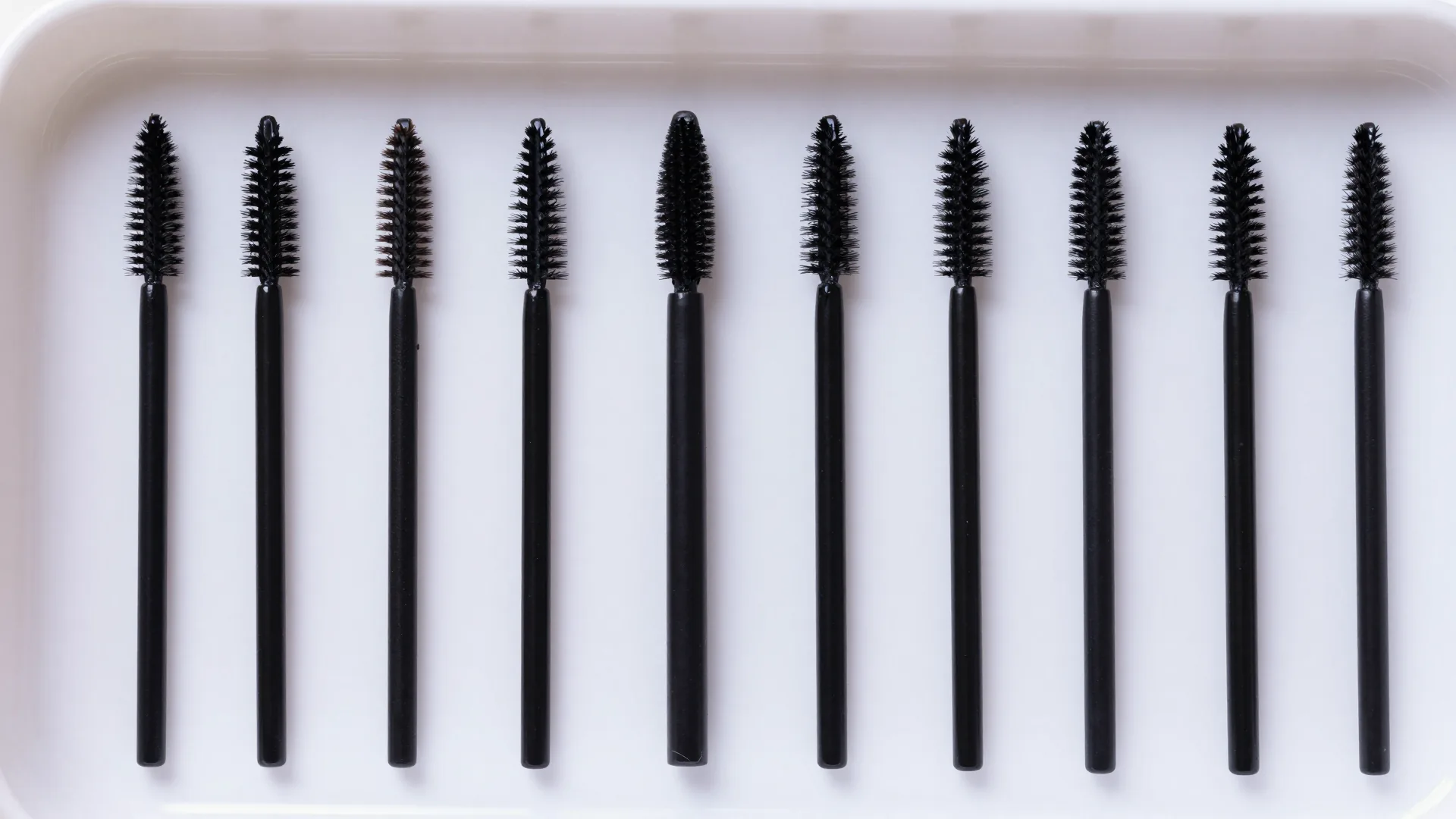
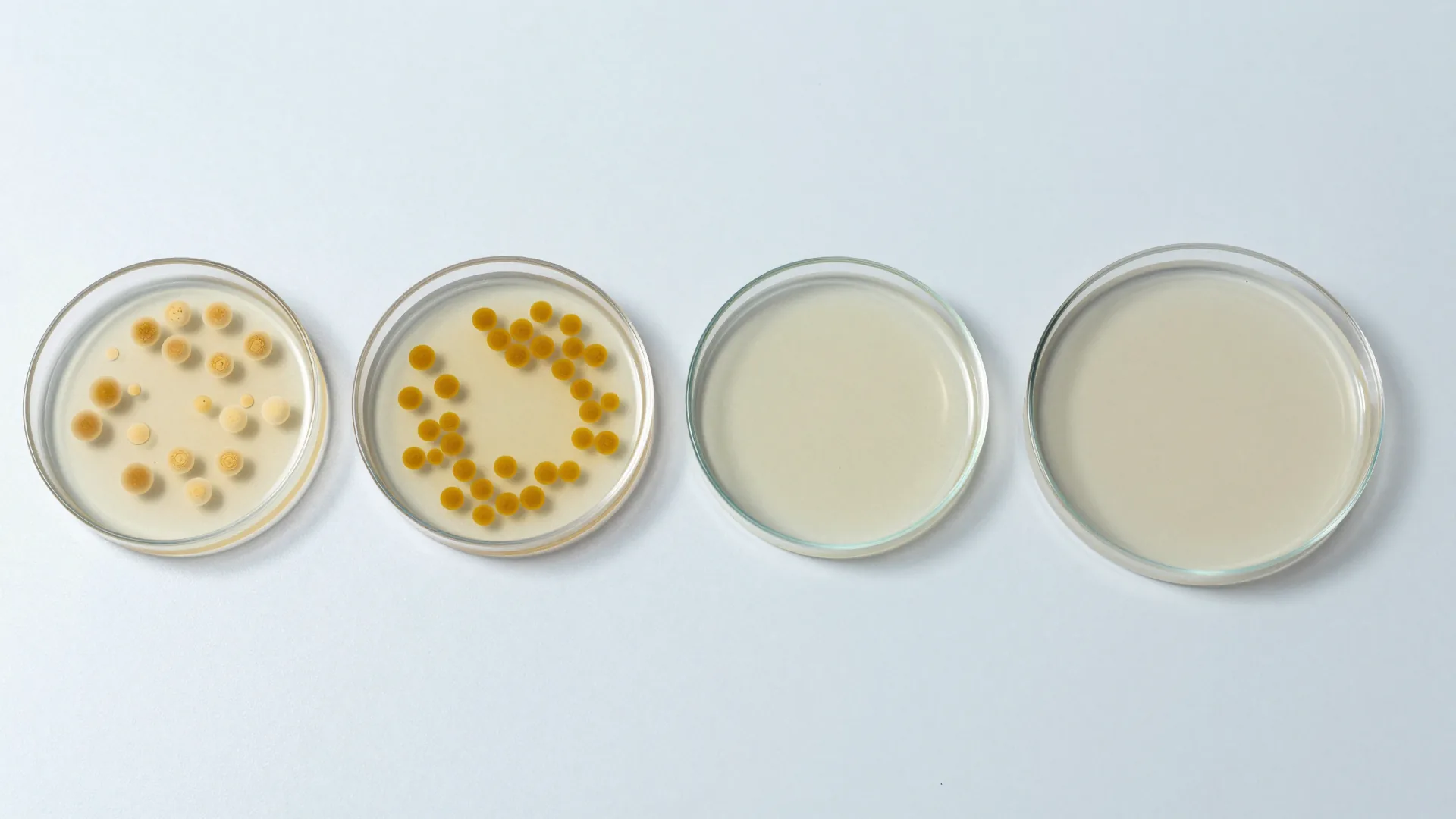

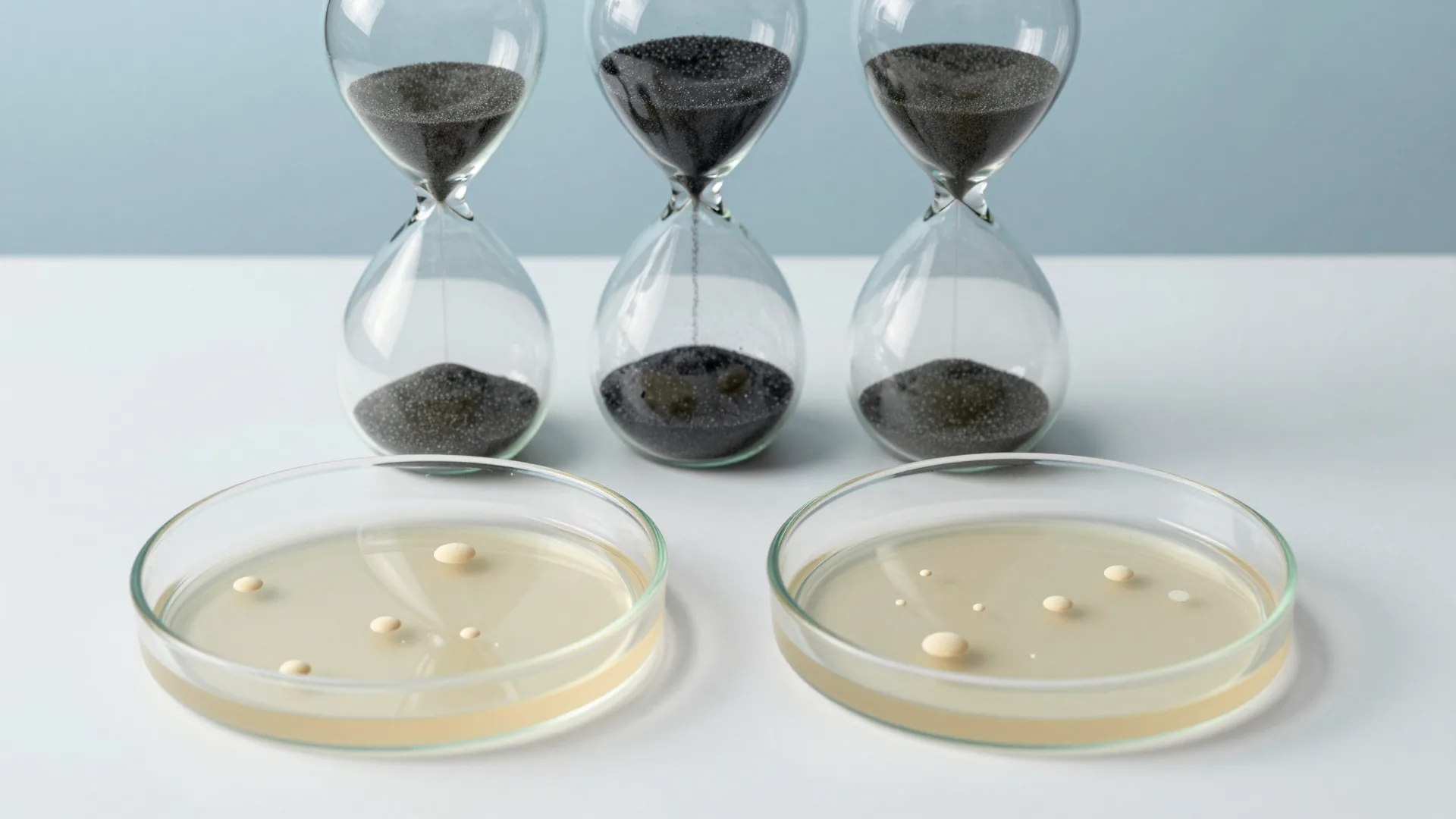
The biggest of the studies on this page was done in the United Kingdom, with results published in 2019. Researchers tested 467 cosmetic products people had already used, and 93 of them were mascaras.
Bacteria were found in 79.57% of the mascaras. More than half of the samples, 59%, had bacteria from two groups, staphylococci and micrococci.
Fungi were found in another 17% of the mascaras.
The most surprising finding is about time. For every type of makeup, the authors found no link between how long a product had been used and how contaminated it was. In other words, in this study you couldn't tell from how long a tube had been used whether it was clean or not.
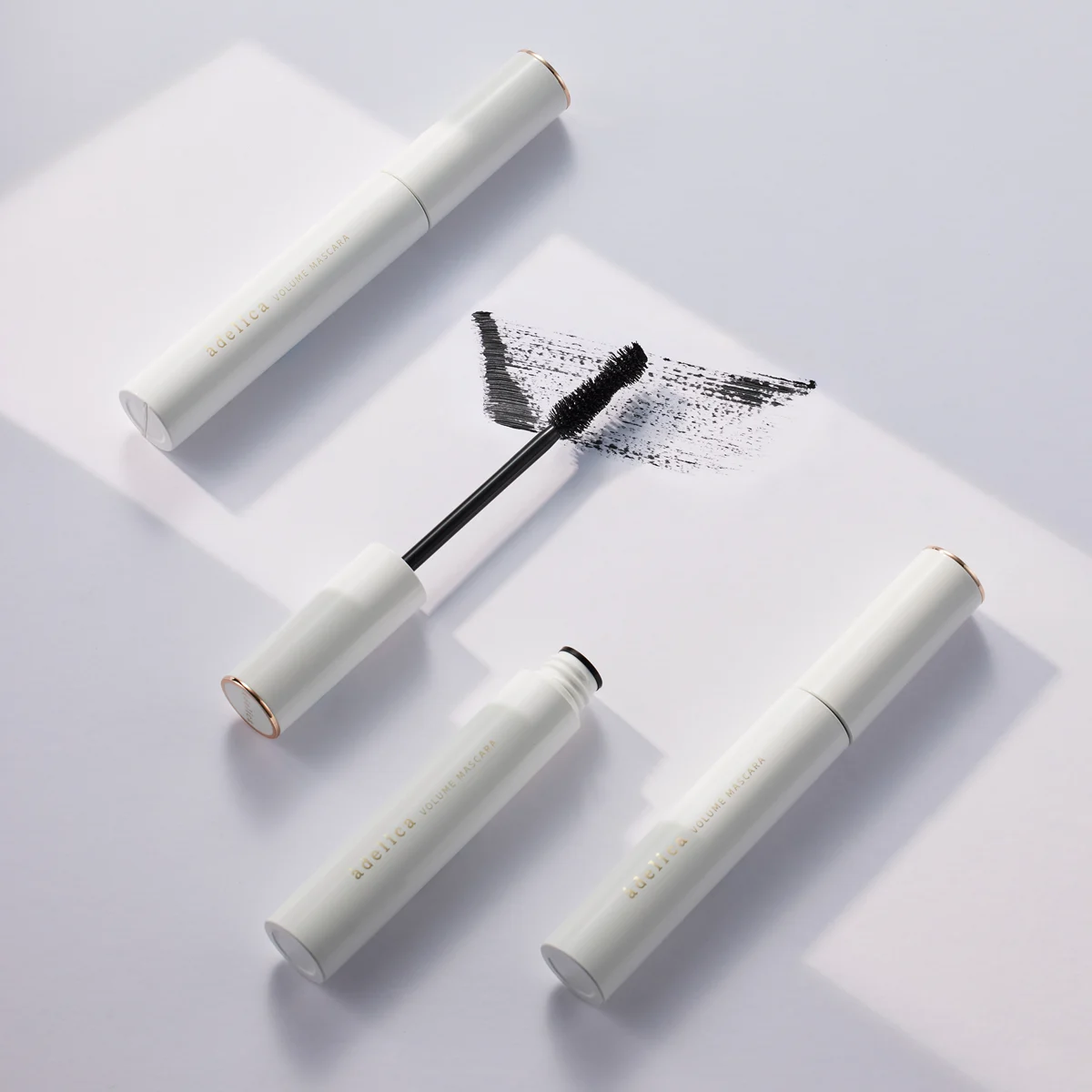
Sooner or later, an open tube gets swapped for a new one. We listed the ingredients of one mascara from our catalog and put everything important about it on its own page.
See the mascara03What research says
What was found in Lithuania and Brazil
A Lithuanian study published in 2026 tested eye makeup that people used in everyday life. All of it was within its expiration date, and 30 of the 71 samples were mascaras.
Bacteria of the Bacillus genus were found in 60% of the mascaras. Skin staphylococci, the usual residents of our skin, were found in 73.3%.
The Lithuanian results also have a calmer side. Staphylococcus aureus, Pseudomonas aeruginosa and E. coli, which the authors list as the main disease-causing bacteria, did not turn up in any of the 71 samples. The authors also note that "not found" doesn't mean "never happens."
A 2013 study from Brazil got a different result, and we share it with a caveat. It's a small study of one group of female students in one city, with no comparison to fresh mascara. In 40 samples of their mascara, Staphylococcus aureus was found in 79% and Pseudomonas aeruginosa in 13%.
The same study asked the students about their habits. 43 out of 44 said they use or have used makeup past its expiration date, and mascara was the item they named most often.
04What research says
What grows in a new tube over three months
A U.S. study checked what happens to new mascara over three months. In this 2008 study, forty women ages 18 to 39 were given fresh mascara and asked to wear it every day for three months. 33 of them finished the study.
Then the tubes were collected and tested for microbes. Microbes grew in cultures from 36.4% of the tubes, or about one in three. In the other 63.6%, no microbes were found.
Most of them were Staphylococcus epidermidis, a normal skin resident, along with streptococci and fungi. The authors didn't count how many microbes were in each tube.
When people talk about three months, this is most likely the study they're relying on. Its authors advise not keeping a tube longer than that if you use it every day.
The study has limits worth knowing about. It only looked at the three-month mark, so we don't know what happened after one month or six. Nobody checked whether the participants had any eye problems. It's a small pilot study, so its conclusion is advice, not an established limit.
If your tube is due for a change, take a look at what's in the mascara from our catalog. We listed its full ingredients.
See the ingredients05What research says
What this can mean for your eyes
Microbes in a tube are not the same as an illness. None of the studies on this page, from the UK, Lithuania, Brazil or the U.S., showed eye disease. Serious cases have been described separately, and in them two things came together. The mascara was contaminated, and the cornea, the clear front layer of the eye, was injured.
In 1990, the CDC reported on a 47-year-old woman who scratched her eye with a mascara wand. Three days later her vision dropped sharply and an abscess formed on her cornea, so she was hospitalized. The same bacterium, Pseudomonas aeruginosa, was found both in her cornea and in her mascara. She was left with a dense scar on the cornea, and her vision did not come back.
Earlier, in 1977, doctors described seven corneal ulcers caused by Pseudomonas aeruginosa. Each of these women's mascara was contaminated with the same bacterium.
Cases like these are rare, and that needs to be said plainly. By 1990, only nine such cases had been described in the medical literature, and the 1977 study involved mascaras made with older formulas.
The U.S. regulator, the FDA, puts it this way. Eye makeup is usually safe when you buy it, but if it's used the wrong way, harmful bacteria and fungi can grow in it, and in rare cases women have lost their sight for a time or for good. The FDA also says that even a small scratch on the cornea can lead to a serious infection.
06What research says
How long can you use one tube
Studies haven't set an exact date after which mascara is no longer okay to use. There is advice, and it varies.
In a 2024 article, the American Academy of Ophthalmology advises throwing out eye makeup after three months. It explains that bacteria grow easily in creamy and liquid makeup. Its page doesn't name the study the three-month limit comes from.
The FDA doesn't give a limit of its own. It passes on what manufacturers say, which is usually to throw out mascara two to four months after purchase. That FDA text was written in 2001 and updated in 2006.
So the three-month rule is still cautious advice, and it rests on one small study.
You pick your own timeline, but sooner or later you'll need a new tube. The page for this mascara from our catalog has its ingredients and a full description.
See the mascara07Myths
What the studies did not show
- Myth
After three months, mascara becomes dangerous
FactThe study didn't show that. It only looked at the three-month mark, no microbes were found in 63.6% of the tubes, and the participants' eyes weren't followed.
Source 04 - Myth
The three-month rule comes from the regulator
FactThe FDA passes on what manufacturers say, which is usually to throw out mascara two to four months after purchase. On that page, the agency doesn't give a limit of its own.
Source 07 - See the mascara
- Myth
The longer you use mascara, the more microbes it has
FactIn the British study of 93 used mascaras, no link was found between how long a product was used and how contaminated it was. That's one study, and the other studies we found didn't compare usage times.
Source 01 - Myth
Every open mascara has dangerous microbes in it
FactThe data differ. A 2026 Lithuanian study found no dangerous pathogens in 30 used mascaras, while a small 2013 Brazilian study found Staphylococcus aureus in 79% of samples.
Source 02
08What to do
Five habits if you wear mascara
Pick your timeline
The American Academy of Ophthalmology advises replacing eye makeup after three months. According to the FDA, manufacturers say two to four months after purchase. Studies haven't set an exact limit, so decide which advice you'll follow.
Don't thin out dried mascara
The FDA says not to add water or saliva to dried-out mascara. Water dilutes the preservative, and bacteria from your mouth can multiply.
Don't share
Don't share mascara, not even with people close to you. For store testers, the FDA advises using only a disposable applicator, and the Academy of Ophthalmology says it's safest not to use testers at all.
Don't apply it on the go
The FDA advises against putting on makeup in a moving vehicle. One bump and the wand can scratch your cornea.
Take it off at night
The Academy of Ophthalmology advises removing makeup before bed, especially mascara.
These habits work for any mascara. And if you need a new one, everything about the mascara from our catalog is on its own page.
See the mascara09Sources
What the sources actually say
Of 467 used cosmetic products, 93 were mascaras. Bacteria were found in 79.57% of mascaras, staphylococci and micrococci in 59.14%, fungi in 17.20%, and enterobacteria in 7.53%. E. coli was identified in sponges and lipstick, while other species were isolated from mascara, including Staphylococcus saprophyticus. No link between length of use and level of contamination was found for any type of product.
In 30 used mascaras within their expiration date, Bacillus (60%) and skin staphylococci (73.3%) were found. Staphylococcus aureus, Pseudomonas aeruginosa, E. coli and fungi were not found in any of the 71 eye makeup samples. The authors note this does not mean they never occur.
In 40 samples of students' mascara, Staphylococcus aureus was found in 79% of samples and Pseudomonas aeruginosa in 13%. 43 of 44 students use or have used makeup past its expiration date and named mascara most often. The study is small, one group in one city, with no comparison to fresh mascara, so we cite it only as an example.
40 women ages 18 to 39 wore mascara every day for three months, and 33 finished. Microbes grew in cultures from 36.4% of tubes and were not found in 63.6%. Most were Staphylococcus epidermidis, streptococci and fungi. Microbe counts weren't measured, other time points weren't tested, and participants' eyes weren't followed. The authors advise not keeping a tube longer than three months with daily use.
- See the mascara
A 47-year-old woman scratched her eye with a mascara wand. Three days later her vision dropped sharply and a corneal abscess formed. Pseudomonas aeruginosa was found both in her cornea and in her mascara, a dense scar remained, and her vision did not recover. At that time only nine such cases had been described in the literature. The report also says new mascara is rarely contaminated with bacteria but can become contaminated with use.
Seven corneal ulcers caused by Pseudomonas aeruginosa are described in women whose mascara was contaminated with the same bacterium. In every case there was both contaminated mascara and an injury to the cornea. The study is from 1977, when mascara formulas were different, and seven cases say nothing about how often this happens.
Manufacturers usually advise throwing out mascara two to four months after purchase, and this is the FDA passing on what manufacturers say, not the agency's own recommendation. Eye makeup is usually safe when bought, but if used the wrong way, harmful bacteria and fungi can grow in it, and in rare cases women have lost their sight temporarily or permanently. Don't add water or saliva to dried mascara, don't share eye makeup, use only a disposable applicator with testers, don't apply makeup in a moving vehicle, and if you have an eye infection, stop using eye makeup and throw out what you were using.
The Academy advises throwing out eye makeup after three months because bacteria grow easily in creamy and liquid makeup. The page doesn't name the study the limit comes from. It also says not to share eye makeup even with people close to you, to remove makeup before bed, especially mascara, and to throw out all eye makeup if you have an infection. It's safest not to use store testers at all.
10Products
A mascara from our catalog
- R04715
Adelica Volume Mascara
Coats each lash without clumping, giving the appearance of voluminous lashes and attractive eyes. Made with naturally derived ingredients that add volume and pigment.
Description from the product page on us.atomy.com
Learn more
11Sign up
If you decide to buy, choose the country where you live
Sign-up and purchase happen on the Atomy website; we do not sell products, and Yandex Metrica counts visits only if you agree.
12Update
What's new
Page launched. This first article on the topic covers what's found in used mascara and where the three-month rule came from.