
Mina · research, explained
I look into what you use every day
Looking for answers in research
Every day we follow dozens of tips about health, food and self-care. But how well-founded are they? I read the studies and tell you what scientists actually found.

Why is that?
Let's find out

About
How I do a review
- I take a familiar piece of advice. For example, replacing mascara every three months.
- I look for where it came from: I read the studies themselves, not retellings.
- I explain in plain words what scientists found and what they did not. Every review links to its sources.

What I look into
Everything you use every day
Mascara, shampoo, laundry detergent, vitamins. Scientists have studied each of them. I'll tell you what they found.
Skin care
Creams, serums and cleansers: what goes into them and what is known about it.
See in the catalog
Hair
Shampoos, conditioners and masks: why each line of the ingredient list is there.
See in the catalog
Vitamins and supplements
What research has confirmed and what remains a promise on the label.
See in the catalog
Laundry
Powder and liquid laundry detergents: what is known about them and how to use them.
See in the catalog
Home and dishes
Dish soaps and cleaning products: which ones actually work.
See in the catalog
Teeth
Toothpastes and brushes: what dentists advise.
See in the catalog
A number from a review
8 in 10
used mascaras had bacteria in them. That's what a UK study of 93 used mascaras found.
Read the reviewRead
New reviews

In a large US nutrition survey, 45 out of 100 people got less magnesium than the average requirement, even counting supplements
That's the result of the national NHANES survey for 2003–2006, where 16,110 people reported what they usually eat and which supplements they take. The Institute of Medicine (IOM) defines the average requirement as the amount of magnesium that is enough for half of people, so this is a modest bar. In the fall, as the days get shorter, a lot of people say they run out of energy by evening. Below we look at why your body needs magnesium, how much you need, why a blood test says little about how much you have stored, and how the forms of magnesium in tablets differ.
Read the review
In Russia, 62 in 100 adults tested in the fall had low vitamin D. In the spring, 84 did
This is the result of Russia's first vitamin D registry, a large collection of blood tests done under one set of rules. In 2020, 996 volunteers aged 18 to 50 from ten regions of the country gave blood, some in the fall and some in the spring. Low meant a level under 30 nanograms per milliliter (ng/mL), as in the 2015 guidelines of the Russian Association of Endocrinologists. It is fall again now, the days are getting shorter, and winter is ahead. Below we look at why vitamin D in blood tests is lowest at the end of winter and in spring, why your body needs it, how much you need, and what is known about its usual companions, K2 and magnesium.
Read the review
Does a “big dose” of vitamin C help once a cold has already started?
This was tested in trials where some people got vitamin C and others got a placebo. Their results were pulled together in a Cochrane review. Cochrane is an international organization that gathers and checks medical research. Here is the short answer. When people started taking vitamin C after a cold had already begun, the trials found no consistent benefit. Below we look at what the trials showed about taking it regularly, whether people really run low on vitamin C, how much a person needs, and why more isn’t better.
Read the reviewCatalog
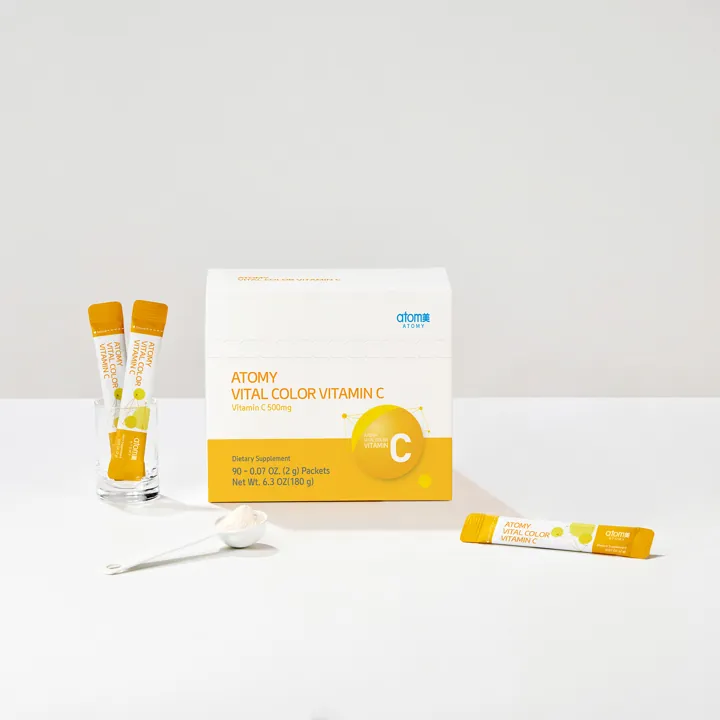
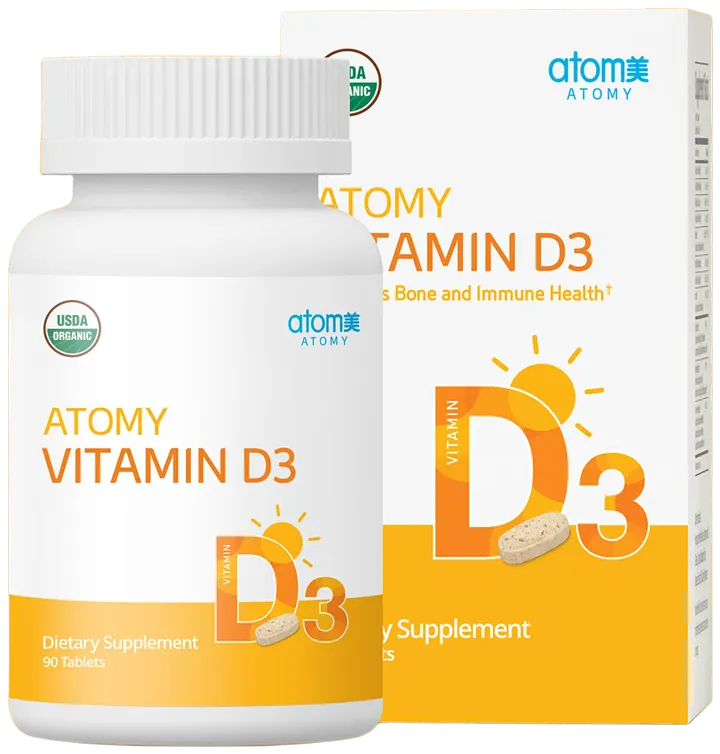
Products from the reviews
Descriptions in the manufacturer's words and what is known about the ingredients.




The rule
Noguesswork,onlysources
Every claim in a review has a source you can open and check.
If a study did not show something, I say so.


Questions
The essentials, briefly
Where can I see the products?
All products from the reviews are collected in the catalog. Each has a description and ingredients in the manufacturer's words.
Open the catalogWhere does the data come from?
From published studies and recommendations of medical societies. Links to them are at the end of every review.
Is this medical advice?
No. A review retells studies and does not replace a doctor. If something worries you, see a doctor.
Do you sell products?
No. The reviews link to the manufacturer's website, where sign-up and purchase happen. The site is run by an independent Atomy member: the buy buttons use our referral link, and we may earn a commission. This is not an official Atomy website.
How to buy, in the catalogHow can I suggest a topic?
Message me on Instagram or TikTok with what to look into next.
Where to watch me
Short video reviews. Tell me there what to look into next.