What the research says
Fall hair shedding, normal or not? Many people's hair grows and sheds on a yearly rhythm, and the most hair falls out in late summer and fall
From late summer on, you find more hair in your brush, on your pillow and in the shower drain, and many people worry they're starting to go bald. Below we look at why hair sheds more in the fall, how many hairs a day is normal to lose and how to tell seasonal shedding from hair loss.
01The worry
In the fall, hair ends up in your brush, on your pillow and in the shower drain
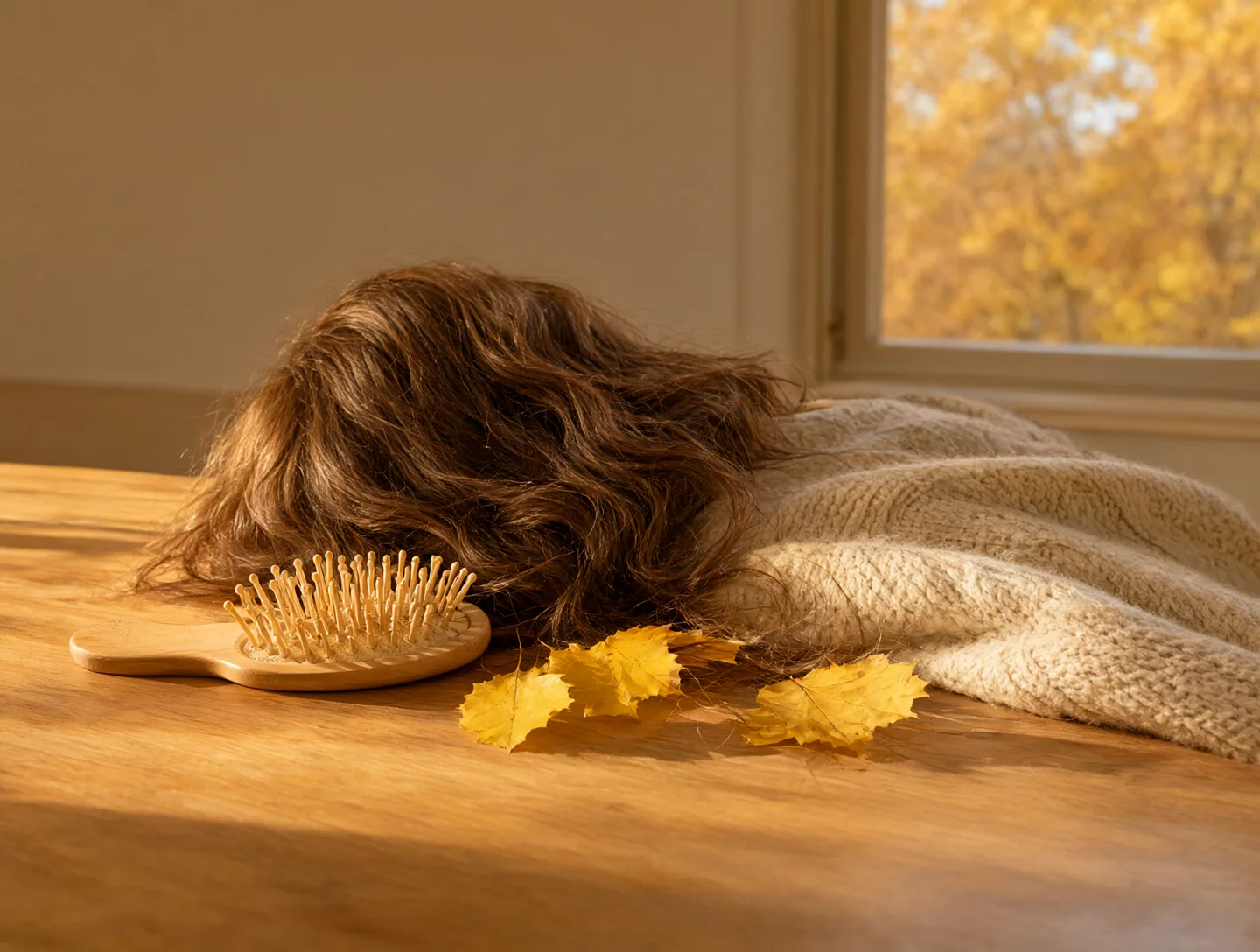
In the fall, a lot of people notice more hair everywhere. It's in the brush, on the pillow and on your sweater, and after a shower there's a whole clump in the drain. It feels like your hair is coming out like crazy, and then the scary thought shows up that this is the start of going bald.
People keep asking the same things. Do humans shed like animals do? How many hairs a day is it OK to lose, and when is it time to worry?
Scientists have actually tested the first question. In Sheffield, England, researchers followed how 14 men's hair grew and fell out for a year and a half, and measured it every 28 days. The most hair fell out around August and September, about 60 hairs a day on average, more than twice as many as the winter before.
So does hair really shed more in the fall? One study of 14 men isn't enough to answer that, so we gathered research on people and doctors' guides. Here's what's known about seasonal shedding, how many hairs a day count as normal and when you should see a doctor.
What people say online
- “Do people shed like animals at certain times of the year??”
- “Please help, my hair falls out every time I wash it. My whole hand is covered in it.”
- “didn't wash my hair for a few days and when i finally did a ton of it came out. why?? am i going bald?”
- “my hair is falling out...how do i tell if it's normal or not, and when do i need to start worrying?”
02The yearly rhythm
Why your hair sheds more in the fall
The hair on your head doesn't grow all the time. Scientists split a hair's life into a growth phase and a resting phase, and hairs that go into rest fall out after a while. If there are fewer growing hairs in a given month, more hairs fall out.
The share of resting hairs changes with the seasons. Dermatologists looked at trichograms, a count of hairs by phase under a microscope, in 823 healthy women who had come in worried about shedding. The most resting hairs showed up in summer, a second, smaller peak came in spring, and the fewest were in late winter.
In the same 14 men from Sheffield, the share of growing hairs was highest in March, over 90%, and slowly dropped until September. The most hair fell out around August and September, right when the fewest hairs were growing. So after fall the rhythm turns back, and by spring the share of growing hairs is at its highest again.
Other researchers saw the same rhythm. In ten men followed for 8 to 14 years, the most resting hairs were in late summer and early fall. In 234 women who were worried about shedding, the number of hairs lost while washing went up in the fall, and the share of resting hairs started to rise a month earlier. In 41 people in China without hair loss, the share of resting hairs also rose around August and September, but less than in Europeans, and it stayed within the normal range. The studies of the ten men and of the people in China were done by employees of L'Oréal.
No one knows exactly why this happens. The authors of the study of ten men write that the rhythm is linked to climate and the number of hours of sunshine, but that's a link, not a proven cause. And in those of the ten men who had very few resting hairs, no rhythm was found at all. The author of one review on shedding suggests that strong summer sun is to blame and the shedding comes two or three months later, but that's only his idea.
Something similar shows up in internet searches. Scientists looked at Google searches, and according to the journal publisher's press release, people searched about hair loss more often in summer and fall. That tells us what people were interested in, not how much hair they lost, and the same press release says it's not known how seasonal shedding works.
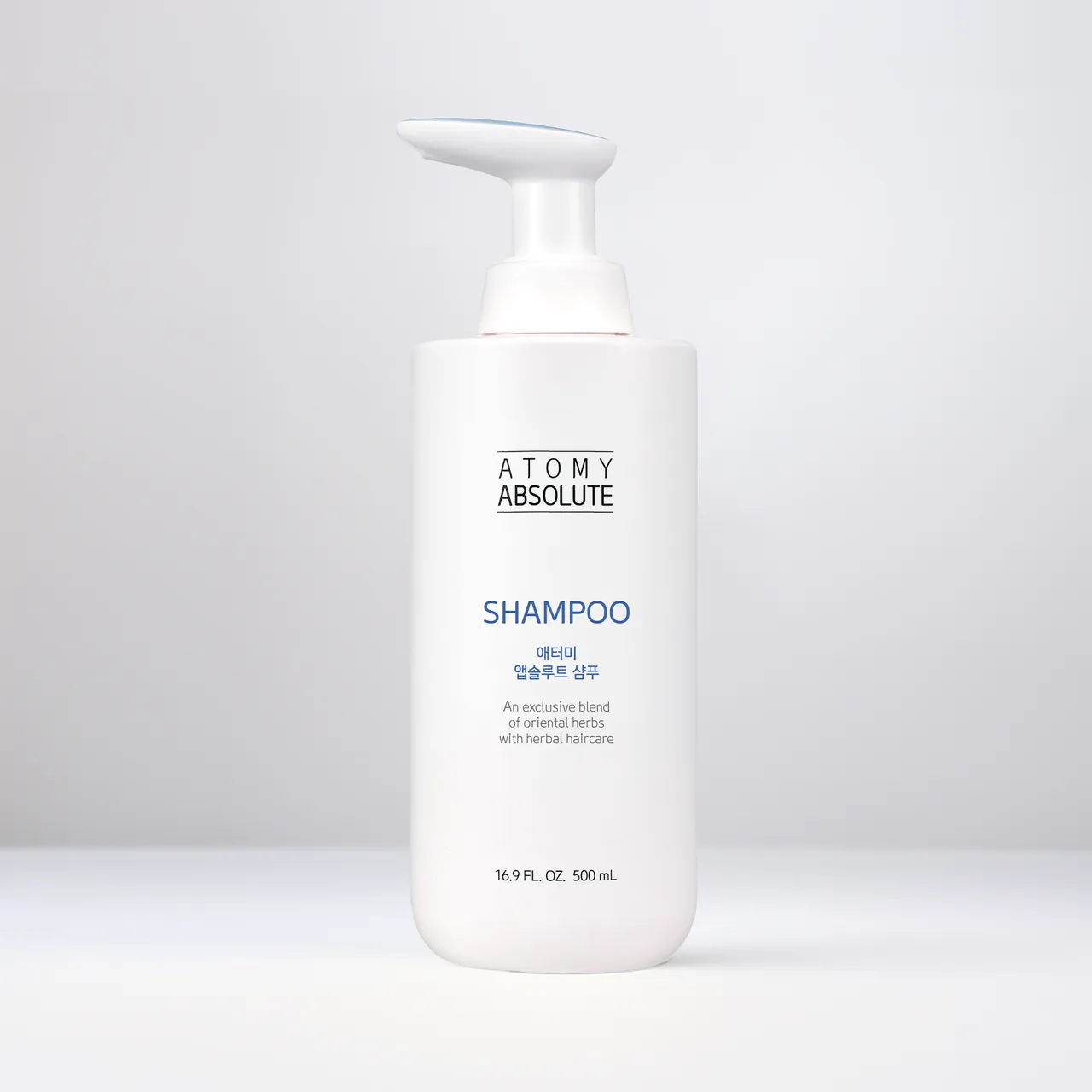
Your scalp and hair are worth caring for in any season. Our catalog has an herbal shampoo with no silicone, made with a traditional herbal formula for healthy, shiny hair. Its ingredients are on its own page.
See the shampoo03What's normal
How many hairs a day is normal to lose
The American Academy of Dermatology (AAD), which brings together dermatologists in the US, says it's normal to lose 50 to 100 hairs a day. The UK's National Health Service (NHS) gives the same numbers and adds that we often don't notice these hairs.
Scientists have also counted how much hair actually falls out. In 14 men in England, about 60 hairs a day fell out at the fall peak. In 234 women who were worried about shedding, the middle of the range was 60 hairs a day and 122 hairs per wash, meaning half the women lost fewer and half lost more. The spread between women was very wide.
Still, the number itself is up for debate. The author of a review on shedding writes that normal daily shedding is hard to estimate and suggests counting hairs another way, in a single wash after five days without washing. That's one author's opinion, and the AAD and NHS guides stick to 50 to 100.
The AAD calls it excessive shedding when you lose a lot more than that normal 50 to 100 hairs every day.
04The cycle
Why a hair that falls out isn't lost for good
To stop panicking over the hair in your brush, it helps to know what happens to a resting hair. DermNet, a reference site run by dermatologists in New Zealand, also writes that in a healthy person some hairs are growing while others are resting.
It also describes how a hair gets replaced. A new hair starts growing under the resting one and pushes it out. That's why DermNet counts up to 100 hairs a day in your brush, in the sink or on your pillow as normal. That's a description from a reference site, not a separate study.
The American Academy of Dermatology separates two things. Excessive shedding is when more hair than usual falls out, and hair loss is when something stops the hair from growing. A dermatologist can tell which one you have, and sometimes it's both at once.
Shedding can also have a delayed cause. The AAD writes that a few months after an illness, surgery or a hard time in your life, you may find a lot more hair in your brush and on your pillow. The NHS lists illness, stress, weight loss and low iron as causes of temporary shedding.
This kind of shedding usually passes. When the stress ends, the excessive shedding ends too, and according to the AAD, most people's hair gets back to its usual fullness in 6 to 9 months. But if the stress doesn't go away, the shedding can go on for a long time.
Hair follows its own schedule, and caring for it is still part of your everyday routine. On the shampoo page in our catalog, we gathered everything about it, from its herbal blends to how to use it.
See the shampoo05Warning signs
How to tell hair shedding from hair loss
A lot of hair in your brush doesn't mean hair loss yet. In the study of 234 women, the ones who were worried about shedding lost more hair than women with varying degrees of hair loss.
But it can go the other way too. One hair clinic looked at the diagnoses of 15,211 patients, and telogen effluvium, temporary shedding after hairs go into rest, was found in only 7% of them. 67% had pattern hair thinning. These were people who came to a specialized clinic, not everyone.
The American Academy of Dermatology lists signs that it's not ordinary shedding. In women, the first noticeable sign of hair loss is often a wider part or a thinner ponytail. A bald spot or patch can also appear in 1 to 2 days, hair can come out in clumps when you brush it, or all of it can fall out.
The AAD also mentions severe itching, burning and soreness where the hair is falling out, and scaly bald patches. With signs like these, you see a doctor instead of diagnosing yourself. The NHS advises seeing a GP, a general doctor, first and only then thinking about a commercial hair clinic.
More hair falls out in the fall, but people see a doctor about their hair more often in winter. That's what one clinic in Israel found when it looked at 10,396 visits for hair and scalp conditions, with 28.7% of them in winter and 25.6% in fall.
06Washing
Is it bad to wash your hair often when it's shedding
There's the most hair in the drain after you wash it, so it seems like washing is to blame. The American Academy of Dermatology writes that when people notice shedding, many change their part or hairstyle, buy products that promise to bring hair back and take hair growth supplements. Some women start washing their hair less often. According to the AAD, all this often helps only a little at best, and dermatologists tell their patients with shedding to use a mild shampoo.
Frequent washing has also been tested directly. In Xi'an, China, 1,500 healthy men and women without scalp conditions washed their hair the way they usually do for two weeks, and another 60 people took part in a five-week experiment. Overall, people were happy with their hair and scalp when they washed it 5 to 6 times a week. And the more often they washed it, the better, not worse, they rated their own shedding, and the difference was significant.
The authors write that worries about "overwashing" weren't confirmed. The study didn't count the hairs that fell out, though. It asked people how things felt. All costs were paid by Procter & Gamble, where two of the authors work.
A survey of 4,796 people from different clinics in Saudi Arabia came to the same conclusion. The more often people washed their hair, the better they rated the condition of their hair and scalp. But these are people's own answers, not an experiment.
So why is there so much hair on wash day? Think back to those 234 women. The middle of their range was 122 hairs in a single wash and 60 over a whole day, and in the fall even more hair came out while washing. DermNet names the sink as one of the usual places where hairs that fall out in the normal cycle end up.
Shampoo is simply about clean hair and a clean scalp. The shampoo page in our catalog lists its ingredients, from Herbal Nutrient Water to Jinsaengmodan, and how to use it.
See the shampoo07Myths
Washing less, a haircut, iron pills — what's known about tips to stop shedding
- Myth
Humans don't shed, only animals do
FactIn 14 men in England, about 60 hairs a day fell out around August and September, more than twice as many as the winter before, and in 823 women the most resting hairs were in summer. But in the study of ten men, no rhythm was found in those who had very few resting hairs.
Source 02 - Myth
To lose less hair, wash it less often
FactThe American Academy of Dermatology calls this one of the usual ways people try to deal with shedding, and it often helps only a little at best. In two studies in China, of 1,500 and 60 people, paid for by Procter & Gamble, worries about "overwashing" weren't confirmed.
Source 11 - See the shampoo
- Myth
If you cut your hair shorter, it'll stop falling out
FactWe didn't find experiments where a haircut changed the number of hairs that fall out. The AAD writes that hair loss is when something stops the hair from growing, and DermNet describes how a new hair grows under the resting one and pushes it out.
Source 09 - Myth
Hair falls out because of the sulfates in shampoo
FactWe didn't find studies on people where shampoo sulfates caused shedding. The Cosmetic Ingredient Review (CIR) Expert Panel assesses the safety of cosmetic ingredients in the US. It writes that sodium and ammonium laureth sulfate caused no harmful reactions in any toxicology test, and that they should only be used in products formulated so they don't irritate the skin. The CIR's work is funded by the cosmetics industry.
Source 20 - See the shampoo
- Myth
If your hair is falling out, you need to take iron
FactA review of 36 studies with 10,029 women showed that ferritin, the body's iron stores, is lower on average in women with shedding. But the authors didn't find clear evidence that low iron is linked to shedding. The AAD writes that biotin, iron or zinc are worth taking only when a blood test shows you're low, and that too much iron can cause poisoning.
Source 17
08What to do
What to do if your hair sheds in the fall
Don't panic over the hair in your brush
The AAD and NHS consider 50 to 100 hairs a day normal, and in studies the most hair fell out in late summer and fall.
Watch whether you're losing a lot more
The AAD calls it excessive shedding when you lose a lot more than the normal 50 to 100 hairs every day.
Think back to a few months ago
The AAD writes that after an illness, surgery or a hard time in your life, you may find more hair in your brush a few months later.
Wash your hair as usual
According to the AAD, washing your hair less often does little, and AAD dermatologists tell their patients with shedding to use a mild shampoo.
Talk to a doctor about iron and hair vitamins
The AAD advises taking biotin, iron or zinc only when a blood test shows you're low, and a doctor decides whether you need the test.
See a doctor if you notice warning signs
The signs the AAD mentions are a bald spot that appears in 1 to 2 days, clumps of hair when you brush, severe itching or burning, scaly patches and a wider part than before. The NHS advises starting with a GP.
09Sources
What the sources actually say
823 women who complained of shedding, without diseases or medications that cause hair to fall out. Trichograms showed a yearly pattern of hair growth and shedding: the highest share of resting hairs in summer, a second, less pronounced peak in spring, and the lowest in late winter.
14 healthy men aged 18–39 in Sheffield (UK), measured every 28 days for 18 months. The share of growing scalp hairs peaked at over 90% in March and dropped to its lowest in September. The number of hairs shed was highest around August–September, about 60 a day on average, more than twice as many as the winter before.
Ten men followed for 8 to 14 years. The highest share of resting hairs was in late summer and early fall. No pattern was found in participants with a very low share of resting hairs. The pattern is linked to climate, to the number of hours of sunshine. The authors work for L'Oréal.
234 women who complained of shedding. The data varied widely. The middle of the range (median) for daily counts was 60.5 hairs, meaning half the women lost fewer and half more, and for washing the same middle was 122 hairs. In the fall, the number of hairs lost while washing and the share of resting hairs went up, with the resting share rising 1 month before the washing count. Women who complained of shedding lost more hair than women with varying degrees of hair loss.
- See the shampoo
41 volunteers in China without hair loss, checked monthly for a year. The share of resting hairs rose around August–September, as in Europeans, but to a lesser degree and within the normal range. The authors are employees of L'Oréal.
According to the publisher's press release, Google searches linked summer and fall with more hair loss. How shedding works in relation to the seasons isn't known.
10,396 visits for hair and scalp conditions. Winter accounted for 28.7% of the year's visits, followed by fall at 25.6%, summer at 24.3% and spring at 21.4%.
Among 15,211 patients of a hair clinic, pattern hair thinning was found in 67% of cases, alopecia areata and scarring alopecias in 11% each, and telogen effluvium in 7%. No conflicts of interest.
- See the shampoo
It's normal to lose 50 to 100 hairs a day, and when the body sheds a lot more every day, that's excessive shedding. Excessive shedding and hair loss are different things. Hair loss happens when something stops the hair from growing. A dermatologist can tell which one a person has, and sometimes it's both. If the stress stays, the shedding can go on.
A few months after an illness or surgery, or after a hard time in life, you may find a lot more hair in your brush or on your pillow. When the stress ends, the excessive shedding ends, and for most people hair gets back to its usual fullness in 6 to 9 months.
When faced with shedding, many people change their part or hairstyle, buy products that promise to bring hair back and take hair growth supplements, and some women start washing their hair less often. The results are often modest at best. Dermatologists recommend a mild shampoo to their patients with shedding.
In women, the first noticeable sign of hair loss is often a wider part or a thinner ponytail. A bald spot or patch can appear in 1 to 2 days, hair can come out in clumps when brushing, or all the hair can fall out. Severe itching, burning and soreness, and scaly bald patches, may mean an infection.
- See the shampoo
If a dermatologist suspects a disease, a vitamin deficiency, a hormone imbalance or an infection, a blood test may be needed. Take biotin, iron or zinc only when a blood test has shown you're low, and too much iron can cause poisoning.
We can lose 50 to 100 hairs a day, often without noticing. Temporary shedding can come from illness, stress, weight loss or low iron. Before going to a commercial hair clinic, see a GP.
Reference site: a new hair grows under the resting one and pushes it out. It's normal to lose up to about 100 hairs a day on a comb, brush, in the sink or on the pillow.
A review by one author: normal daily shedding is hard to estimate, and hairs are counted in a wash after 5 days without washing. Fall shedding is harder to explain, and the cause may be strong UV exposure the summer before, with shedding two to three months later.
- See the shampoo
Meta-analysis: of 928 studies found, 36 were included, with 10,029 participants in total. Women with non-scarring hair loss had lower ferritin, but there's no clear evidence that low iron is linked to shedding. There was no specific funding.
Xi'an (China): 1,500 healthy adults without scalp conditions in a two-week study and 60 people in a five-week double-blind study. Overall satisfaction with hair and scalp came with washing 5–6 times a week. How people felt about shedding and breakage improved significantly as washing got more frequent, and worries about "overwashing" weren't confirmed. Procter & Gamble paid 100% of the costs.
4,796 participants from different clinics in Saudi Arabia: more frequent washing is linked to better hair and scalp condition.
Sodium and ammonium laureth sulfate caused no harmful reactions in any toxicology test. They should only be used when the product can be formulated to be non-irritating.
10Products
A shampoo for your scalp and hair from our catalog
- R00694
Atomy Absolute Shampoo
An herbal shampoo with no silicone, made with a traditional herbal formula for healthy, shiny hair. Its rich, dense foam cleans your hair and scalp.
Description from the product page on atomy.ru
Learn more
11Sign up
If you decide to buy, choose the country where you live
Sign-up and purchase happen on the Atomy website; we do not sell products, and Yandex Metrica counts visits only if you agree.