What the research says
Blackheads on your nose aren't dirt. Why you shouldn't scrub them and what to do if they won't go away
The American Academy of Dermatology (AAD), the professional society of U.S. dermatologists, says it plainly. Blackheads aren't dirt. A blackhead forms when a pore gets clogged with skin oil and dead skin cells and stays open. If the blackheads on your nose just won't go away this fall, below we look at what a blackhead is made of, why pores look bigger, what's known about why blackheads come back, and how to wash your face without making things worse.
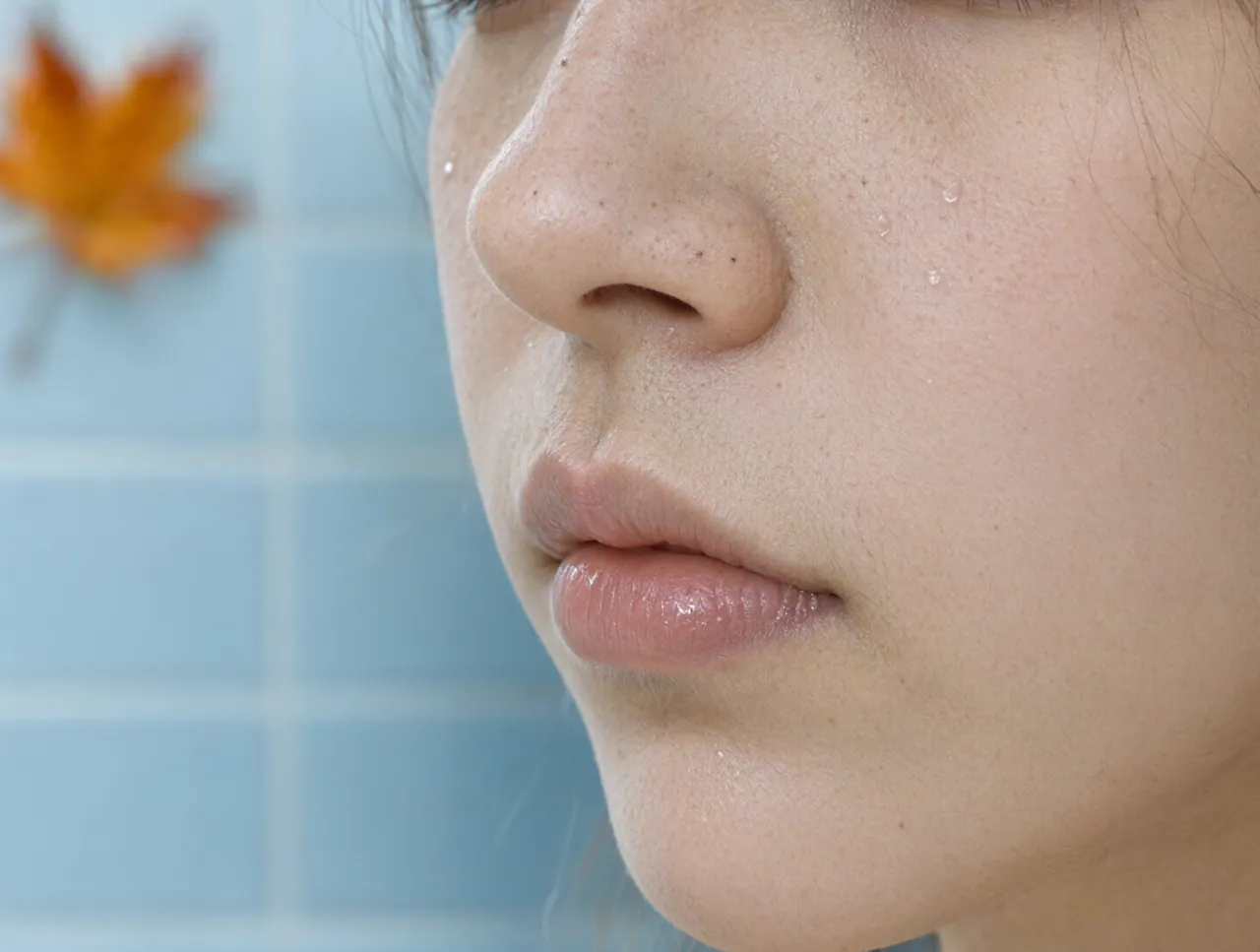
01The problem
Scrubbing and squeezing blackheads is exactly what doctors advise against
Lots of people notice blackheads on their nose. They steam them, squeeze them, pull them out with pore strips and scrub them away, and soon they're back in the same spot.
There's an understandable logic behind all this. If the spot is black, it must be dirt, so you need to wash it off harder. In its guide to types of breakouts, the American Academy of Dermatology (AAD) says the opposite. Blackheads aren't dirt, so you don't need to scrub your skin, because that only makes things worse.
The UK's National Health Service (NHS) adds a second warning. Don't pick or squeeze breakouts, because that can leave scars.
To understand what to do instead, let's first look at what a blackhead is made of.
What people say online
- “I clear them out, then they pop up again, and it's the same loop over and over”
- “All that steaming and those homemade peel-off masks just don't do anything”
- “My pores clog up if I even think about them”
- “My nose stays red for almost a week afterward”
02What they are
What blackheads are made of and why you shouldn't scrub them
The NHS describes blackheads as black or brown spots, usually flat, though sometimes raised.
The AAD explains where they come from. These breakouts form when pores get clogged with excess skin oil, bacteria and dead skin cells. If a pore fills up but stays open, you get a blackhead.
So a blackhead doesn't sit on top of your skin. It sits inside the pore itself, like a cork in the neck of a bottle.
That's why scrubbing harder isn't the answer. According to the AAD, a washcloth, a mesh sponge or anything other than your fingertips can irritate your skin.
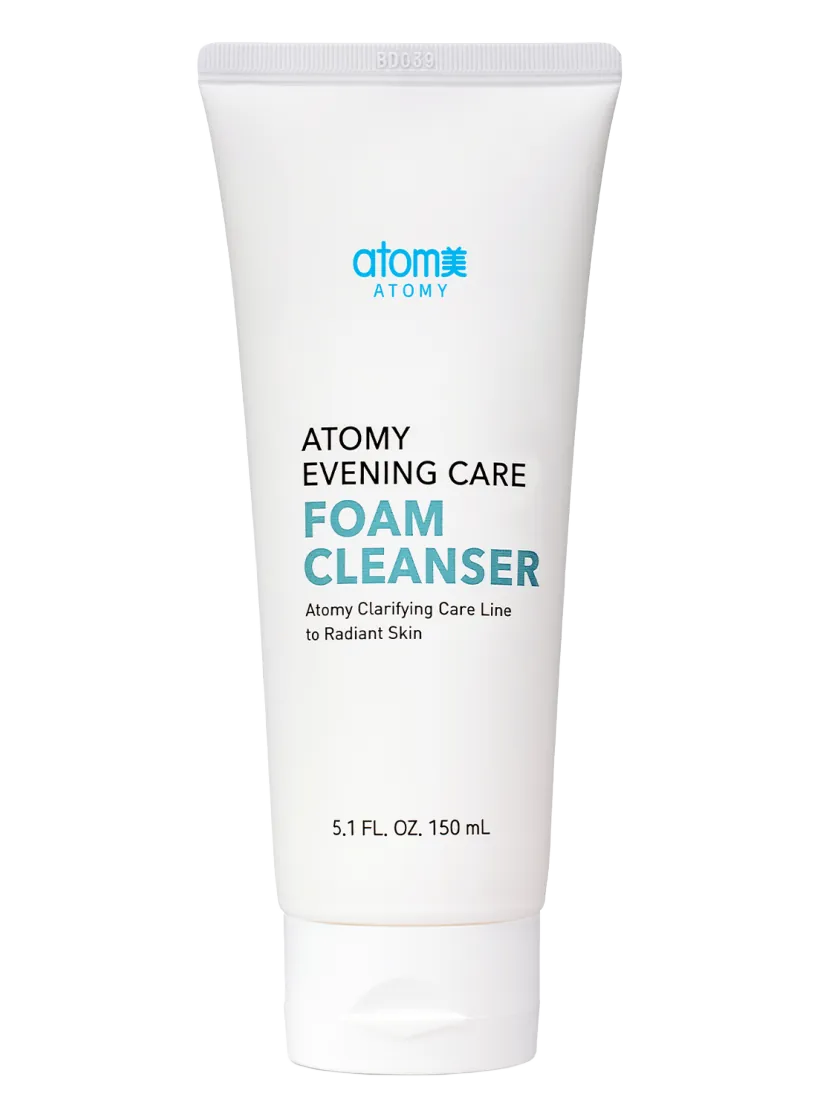
If you're choosing a face wash, take a look at the foam cleanser from our catalog. We went through its ingredients.
See the foam cleanser03Pores
Why the pores on your face look bigger
Pores don't look big just because you were born that way. The AAD says a clogged pore stretches, and that makes it more noticeable.
A Korean study measured what else is linked to pore size. Of all the factors, the one most strongly linked to pore size was how much oil the skin makes, followed by being male. Older people also had larger pores.
In this study, women's pores were noticeably larger during ovulation, in the middle of the cycle. Acne severity, on the other hand, wasn't linked to pore size.
Age shows up in other measurements too. In a study by LG, researchers measured the cheek skin texture of 101 women in Korea in 3D, and pores were bigger and longer with age. Another study included 361 women ages 18 to 49 from China and Korea, and one of its authors was from a cosmetics company. In these women too, pore size went up with age while skin elasticity went down.
These are links found in measurements, not proven causes. But the pattern is easy to see. The oilier the skin and the older the person, the more noticeable the pores.
04Coming back
What's known about why blackheads keep coming back
The sources we checked don't directly explain why a pore clogs again. If you squeeze a blackhead out or pull it with a strip, that doesn't mean the pore won't clog up again later.
The AAD advises washing your face twice a day. According to the Academy, washing this way can clean out pores, keep them from clogging and cut down on oily shine.
Still, there are few good studies on how to wash your face. A 2018 systematic review that gathered research on face washing and cleansers for acne found only 14 studies with 671 participants. The authors write that there are so few well-designed studies that it's hard to make solid recommendations.
So the tips below are based on what the AAD and the UK's NHS say, not on large trials.
The foam cleanser from our catalog has its own page, with its ingredients and description.
See the foam cleanser05Myths
What people believe about blackheads and pores, and what's actually known
- Myth
A blackhead is dirt, so you're not washing well enough
FactThe AAD says plainly that blackheads aren't dirt and asks you not to scrub your skin, because that only makes things worse. A blackhead forms when a pore is clogged with oil, bacteria and dead skin cells and stays open.
Source 01 - Myth
A blackhead turns black because the oil oxidizes in the air
FactThat's a common explanation, but scientists disagree. A 2024 narrative review says the contents of an open pore oxidize in the air and melanin builds up in them. But a 1983 study using an electron microscope didn't find melanin in blackheads. The review didn't take any measurements of its own, and the 1983 study doesn't say how many samples it used, so there's no clear answer yet.
Source 09 - See the foam cleanser
- Myth
Steam opens your pores and cold water closes them
FactWe didn't find any studies showing this. The AAD advises wetting your face with lukewarm water and applying cleanser with your fingertips.
Source 02 - Myth
Pore strips and scrubs clean out your pores
FactWe didn't find trials showing that pore strips help. And according to the AAD, a washcloth, a mesh sponge or anything other than your fingertips can irritate your skin.
Source 02 - See the foam cleanser
- Myth
You can shrink your pores for good
FactIn a Korean study, enlarged pores were linked to the amount of skin oil, age and being male. We didn't find trials where a cleanser made pores smaller.
Source 05
06What to do
How to care for skin with blackheads
Wash twice a day
Both the NHS and the AAD advise this. The AAD adds that you don't need to wash more than twice a day, unless you've been sweating.
Choose a gentle cleanser
The AAD advises a gentle, non-abrasive cleanser that doesn't contain alcohol. The NHS also recommends a gentle cleanser.
Lukewarm water and fingertips
Wet your face with lukewarm water and apply the cleanser with your fingertips. According to the AAD, a washcloth or mesh sponge can irritate your skin.
Don't scrub blackheads
Blackheads aren't dirt, and the AAD advises against scrubbing your skin, because that only makes things worse.
Don't squeeze
The NHS asks you not to pick or squeeze breakouts, because that can leave scars.
The foam cleanser from our catalog is waiting on its own page, along with its full ingredient list.
See the foam cleanser07Sources
What the sources actually say
Blackheads and whiteheads form when pores get clogged with excess skin oil, bacteria and dead skin cells. If a pore fills up but stays open, you get a blackhead. Blackheads aren't dirt, so don't scrub your skin, because that will only make acne worse. The section is supported by Ortho Dermatologics, and according to the AAD, the content was developed by the Academy alone.
Use a gentle, non-abrasive cleanser that doesn't contain alcohol. Wet your face with lukewarm water and apply the cleanser with your fingertips. A washcloth, mesh sponge or anything other than your fingertips can irritate the skin. Wash no more than twice a day and after sweating.
Blackheads are black or brown spots, usually flat, though sometimes raised. Wash your skin twice a day with a gentle cleanser. Don't pick or squeeze spots, because that can leave scars.
When pores get clogged, they stretch and become more noticeable. Washing twice a day can clean out pores, keep them from clogging and cut down on oily shine.
- See the foam cleanser
Of all the factors, the amount of oil the skin makes was most strongly linked to pore size, followed by being male. Enlarged pores were linked to oil, age and being male. Pores were noticeably larger during ovulation, and acne severity wasn't linked to pore size. This is a link, not a proven cause.
The cheek skin texture of 101 Korean women was measured in 3D, and pores became bigger and longer with age. The work was supported by the research center of LG Household & Health Care.
A cross-sectional study included 361 healthy women ages 18 to 49 from China and Korea in four cities. With age, skin elasticity went down and pore size went up.
The systematic review included 14 prospective studies with 671 participants. There are so few well-designed studies of face washing and cleansers that it's hard to make solid recommendations.
- See the foam cleanser
A narrative review says that in open follicles the keratin contents come into contact with air, oxidize, and collect melanin granules. The review has no measurements of its own, and a 1983 study disagrees with it.
Electron microscopy of extracted black open comedones found no melanosomes. If there is any melanin in the plugs, there's very little, and it can't be what makes them black. The study doesn't say how many samples were used.
Light-based and physical procedures, such as comedone extraction, can be a useful addition, ideally done by a dermatologist. This is a narrative review written for medical professionals.
08Products
A foam cleanser from our catalog
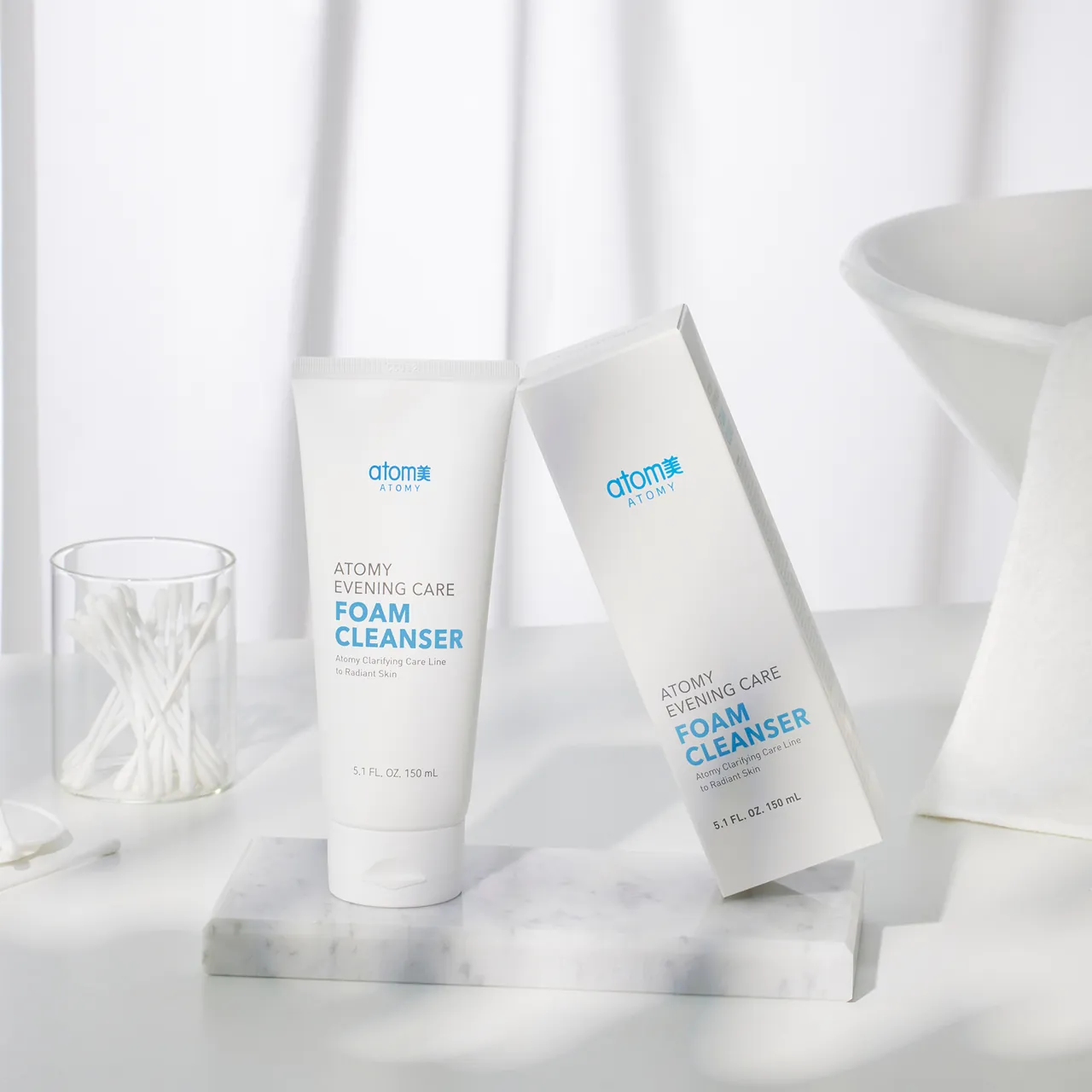 R00305
Atomy Evening Care Foam Cleanser
A moisturizing foam cleanser with Meshima and Cordyceps extracts. Dense, rich foam removes sebum, dead skin cells and leftover makeup, with no tight feeling after cleansing.
Description from the product page on us.atomy.com
Learn more
09Sign up
If you decide to buy, choose the country where you live
Sign-up and purchase happen on the Atomy website; we do not sell products, and Yandex Metrica counts visits only if you agree.